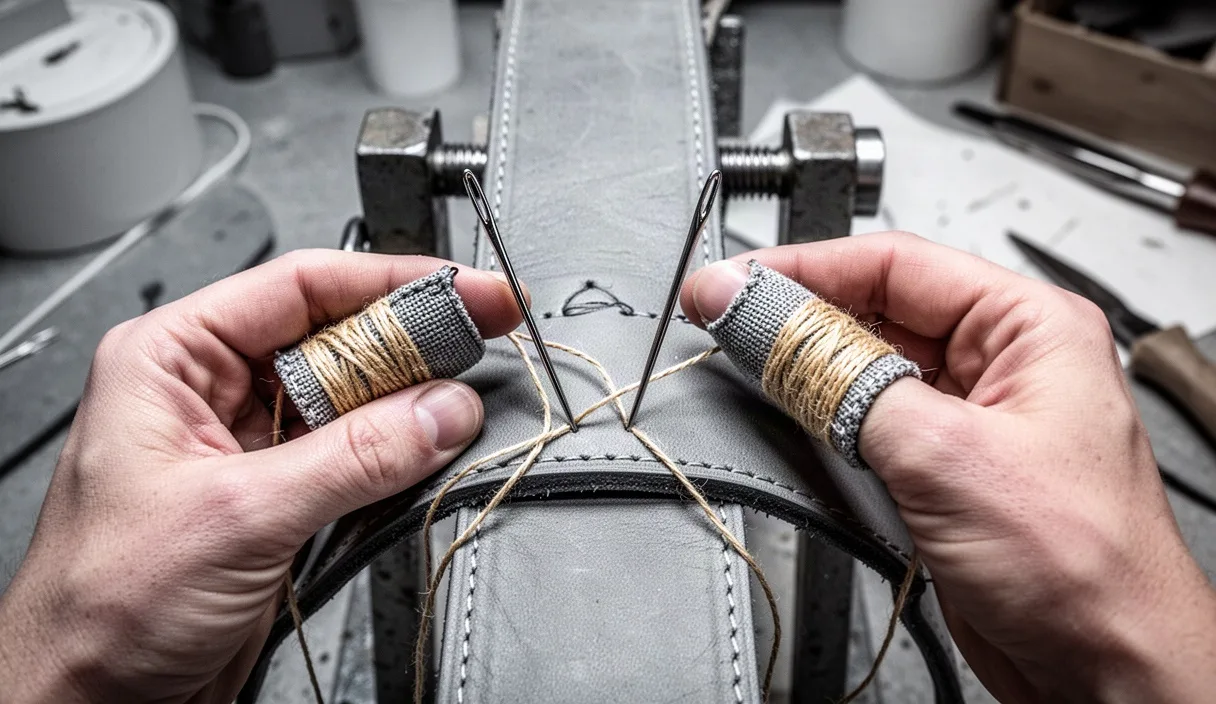
How to Saddle Stitch Leather with Two Needles
Hand stitching with two needles creates an interlocking seam that outlasts machine lockstitches. Discover how thread tension and consistent needle casting produce straight, durable rows.
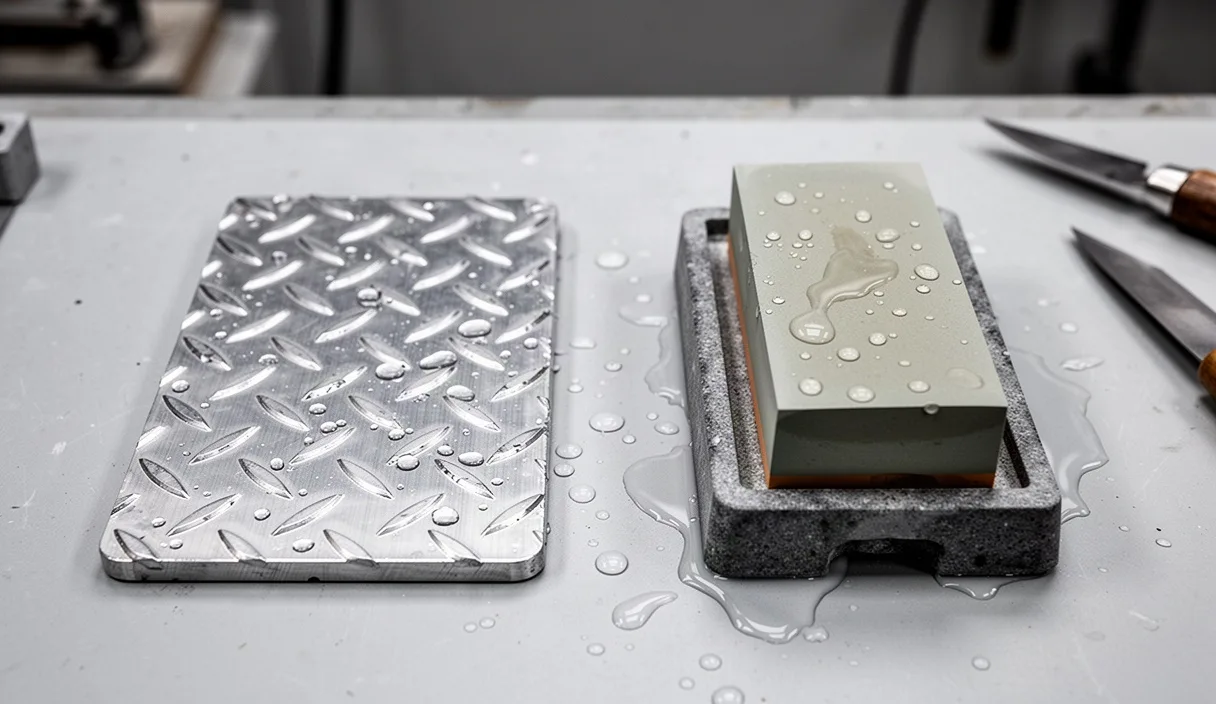
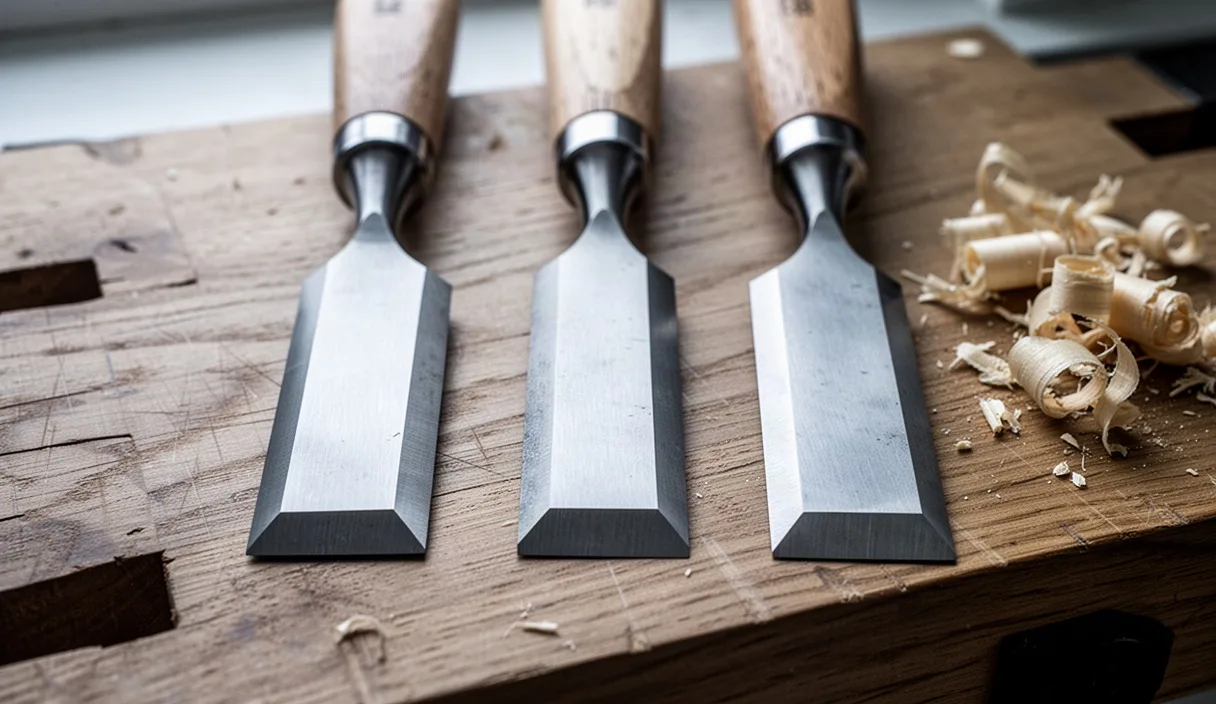
A bevel angle changes how easily a chisel enters wood and how long the edge stays intact. Learn how to match primary angles to paring, chopping, and mixed bench work.
Hand stitching with two needles creates an interlocking seam that outlasts machine lockstitches. Discover how thread tension and consistent needle casting produce straight, durable rows.
Workshop Tool Maintenance11 min read
Waterstones Versus Diamond Plates for Edge Tools
Woodworking Foundations9 min read
How to Read Wood Grain to Prevent Tearout
Leathercraft Techniques11 min read
Burnishing Leather Edges with Water and Canvas
Workshop Tool Maintenance12 min read
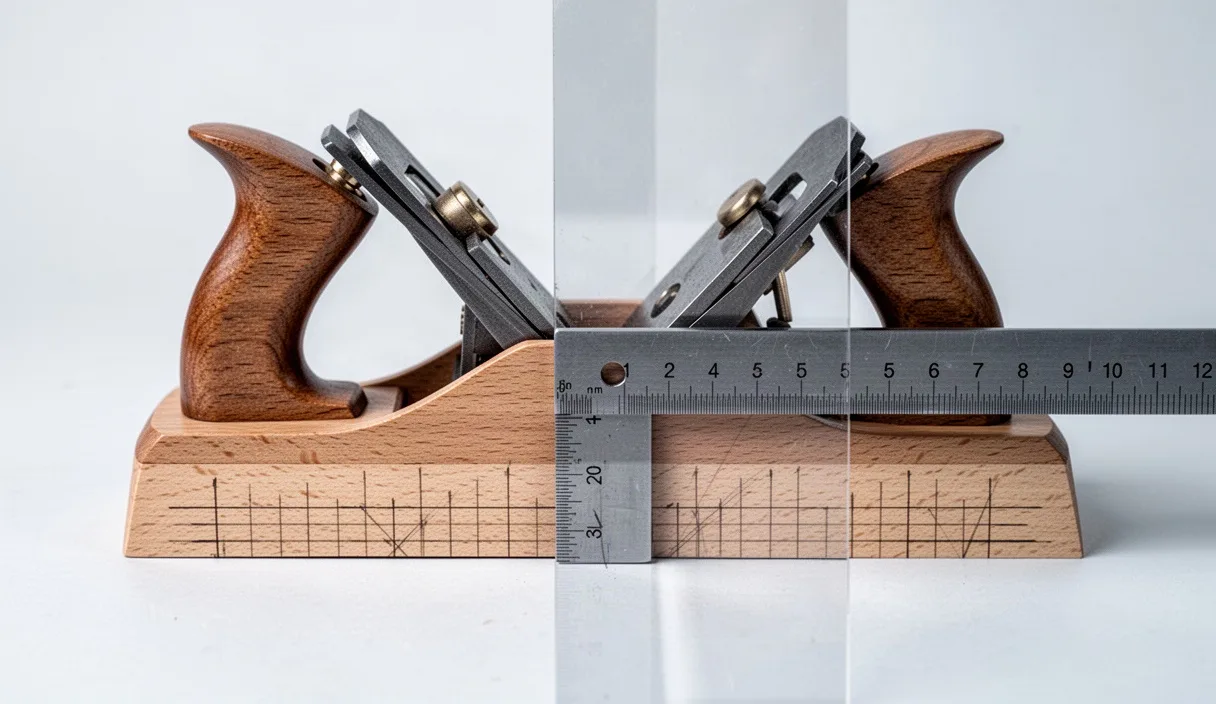
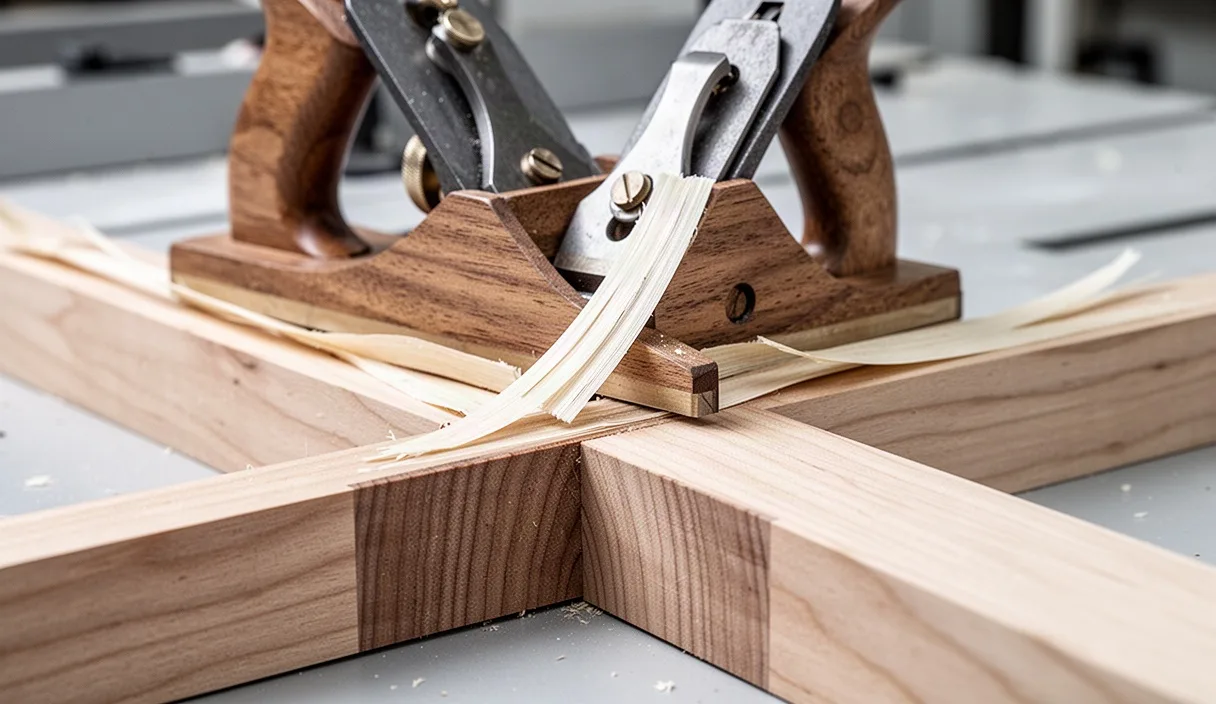
How to Flatten a Wooden Hand Plane Sole
Small Bench Builds11 min read
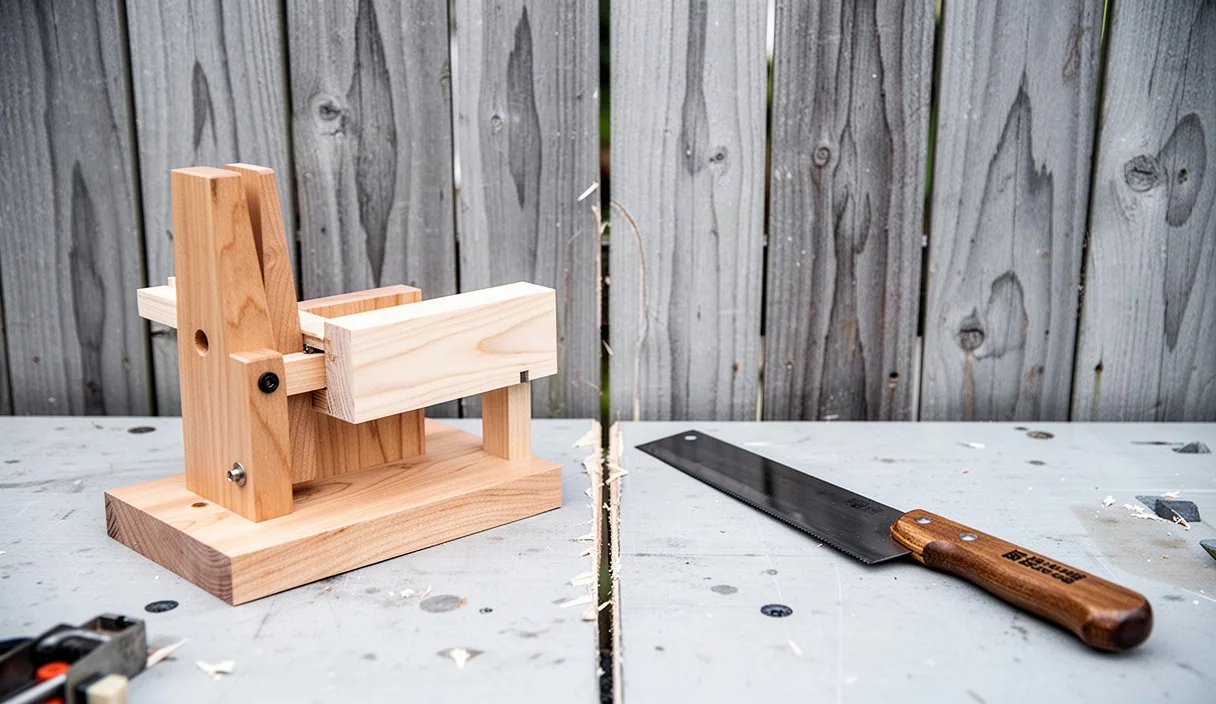
Building a Basic Bench Hook for Straight Hand Saw Cuts
Pattern cutting, hand stitching methods, and edge finishing for vegetable-tanned hides.
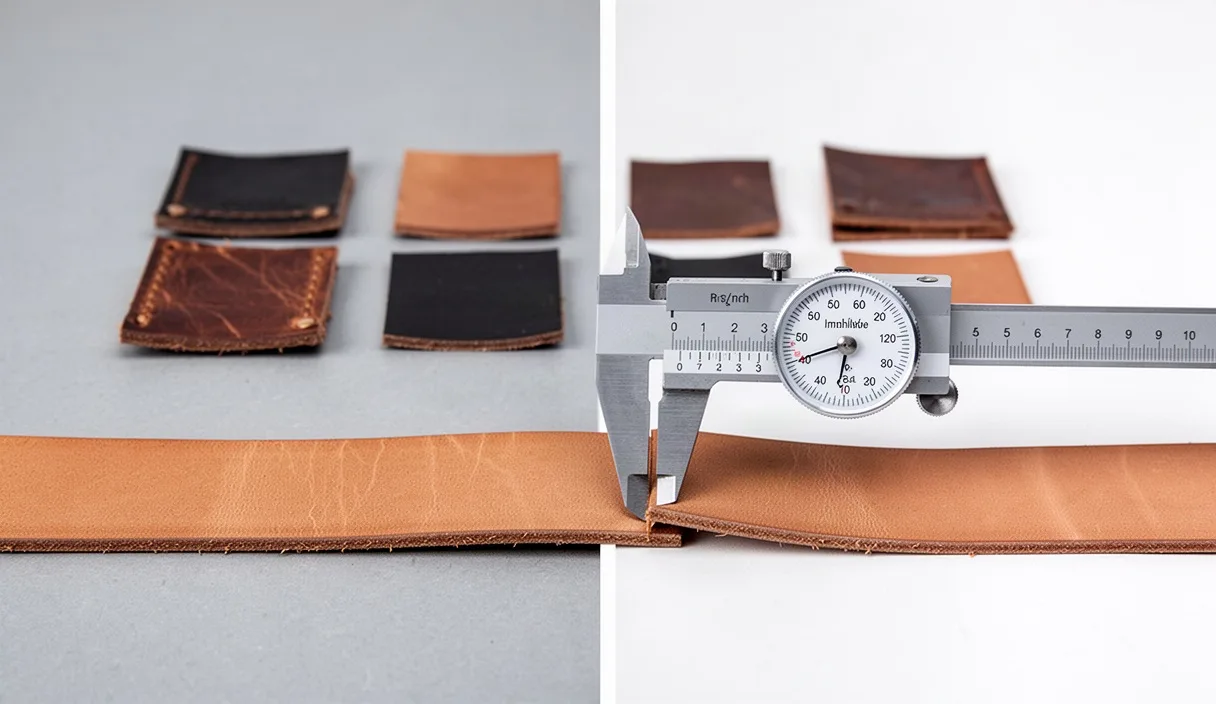
Using the wrong leather weight makes wallets bulky or card sleeves too flimsy to hold shape. Learn how ounce ratings convert to millimeters and where to allocate hide weights.
Hand stitching with two needles creates an interlocking seam that outlasts machine lockstitches. Discover how thread tension and consistent needle casting produce straight, durable rows.
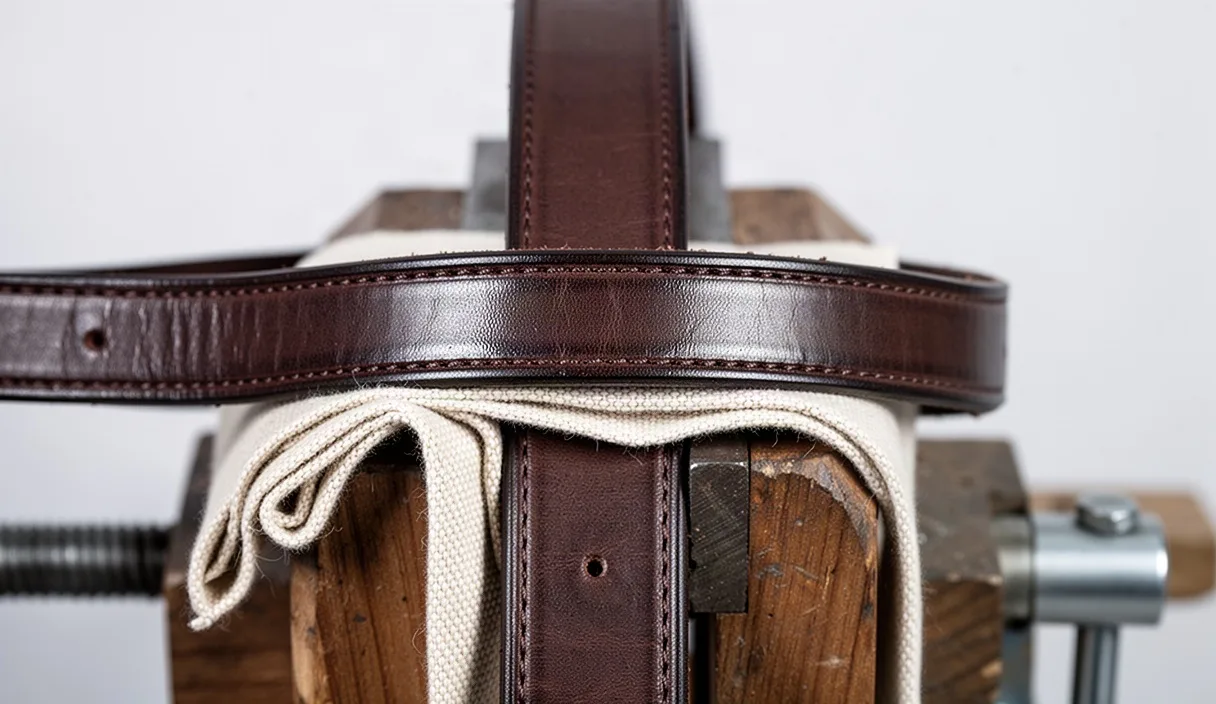
Smooth, rounded leather edges protect projects from dirt and moisture infiltration. Discover how simple friction, moderate moisture, and dense canvas compress raw fiber edges.
We purchase every sheet of Baltic Birch Plywood and roll of Vegetable-Tanned Leather with our own editorial budget.
Why show the hands in frame? Seeing finger placement teaches grip pressure faster than written words alone.
We define every technical term, explaining kerf as the width of wood removed by the saw blade.
Our team builds the complete piece from our own written measurements before sending the text to print.
Experienced craft practitioners write our guides. Each article is reviewed on an actual workbench by Julian Vance and our technical desk. We verify measurements, test joint strength, and ensure no steps are skipped.
Printed publications are packed in rigid moisture-resistant cardboard envelopes. For parcels sent via courier, dispatch occurs at 11:30 on business days. Payment is accepted via cash on delivery or direct bank transfer.
We offer returns within exactly 30 days from delivery for unused items in original packaging. If your manual arrives damaged or unread in its wrapper, contact our team to arrange return transit.
We do not accept paid brand promotions or free tools in exchange for positive reviews. Our publication is funded entirely by reader subscriptions and sales of our printed workshop guides.
Why do we measure twice? Wood moves with the seasons, so we confirm every dimension on the bench before our readers make their first cut.
Julian VanceSenior Technical EditorHave a question about a tricky joint or want us to test a specific leather finish? Send your observations and project questions directly to our editorial desk.
Working hours: Mon-Fri 09:45-18:15
Expected response time: A response within one business day