Why Chisel Angles Matter and How to Choose One
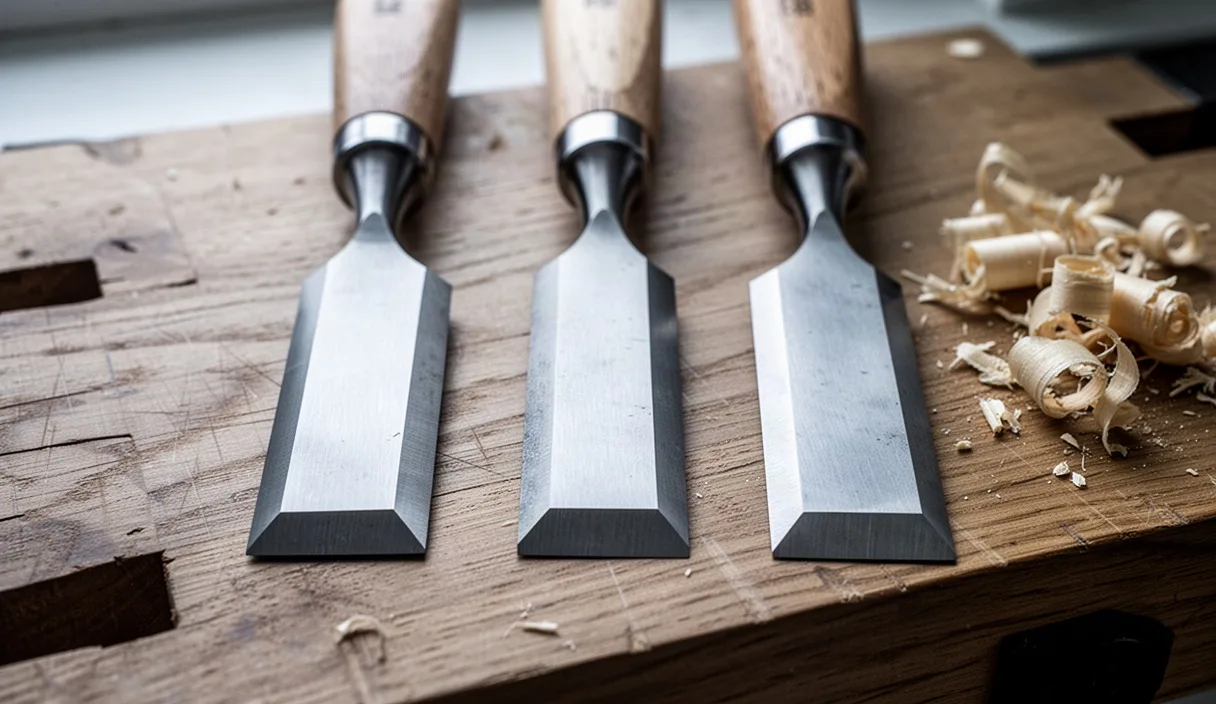
A bevel angle changes how easily a chisel enters wood and how long the edge stays intact. Learn how to match primary angles to paring, chopping, and mixed bench work.
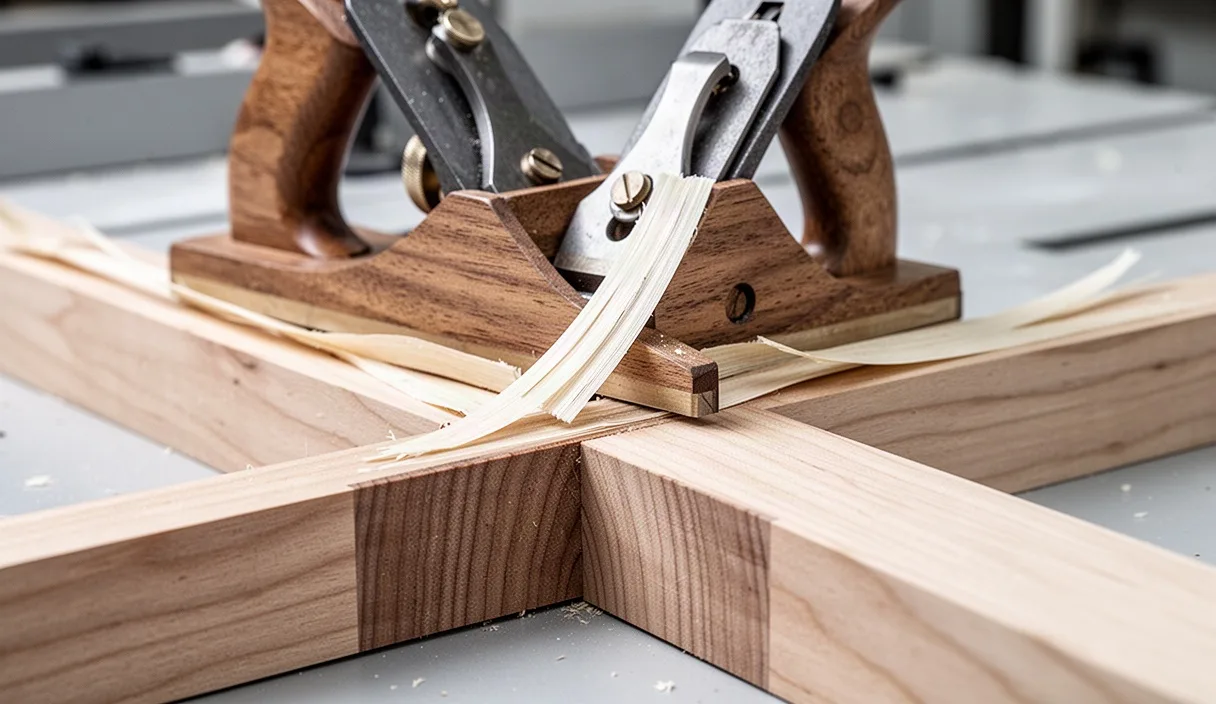
Planer tearout happens when a blade lifts wood fibers instead of slicing them. Learn to inspect board faces, follow fiber slope, and orient cuts for glass-smooth surfaces.
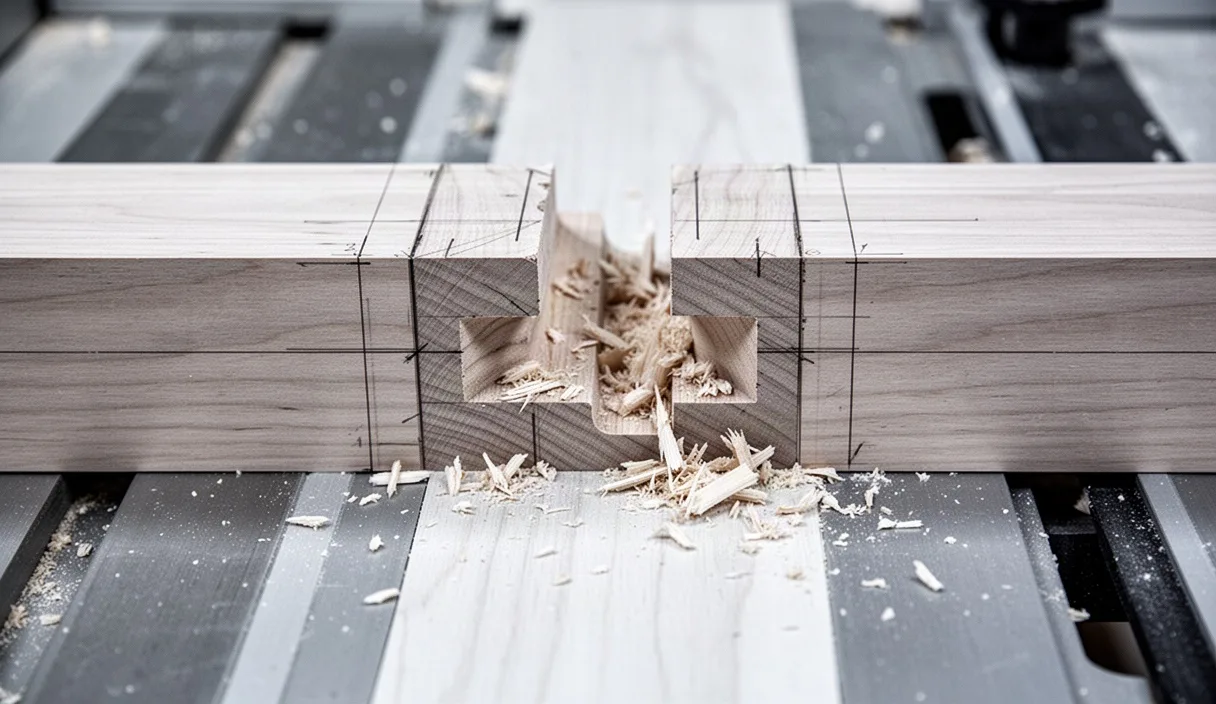
The mortise and tenon is the backbone joint of durable chairs, tables, and doors. Master the sequence of marking with a mortise gauge, boring or chopping the slot, and sawing cheeks.
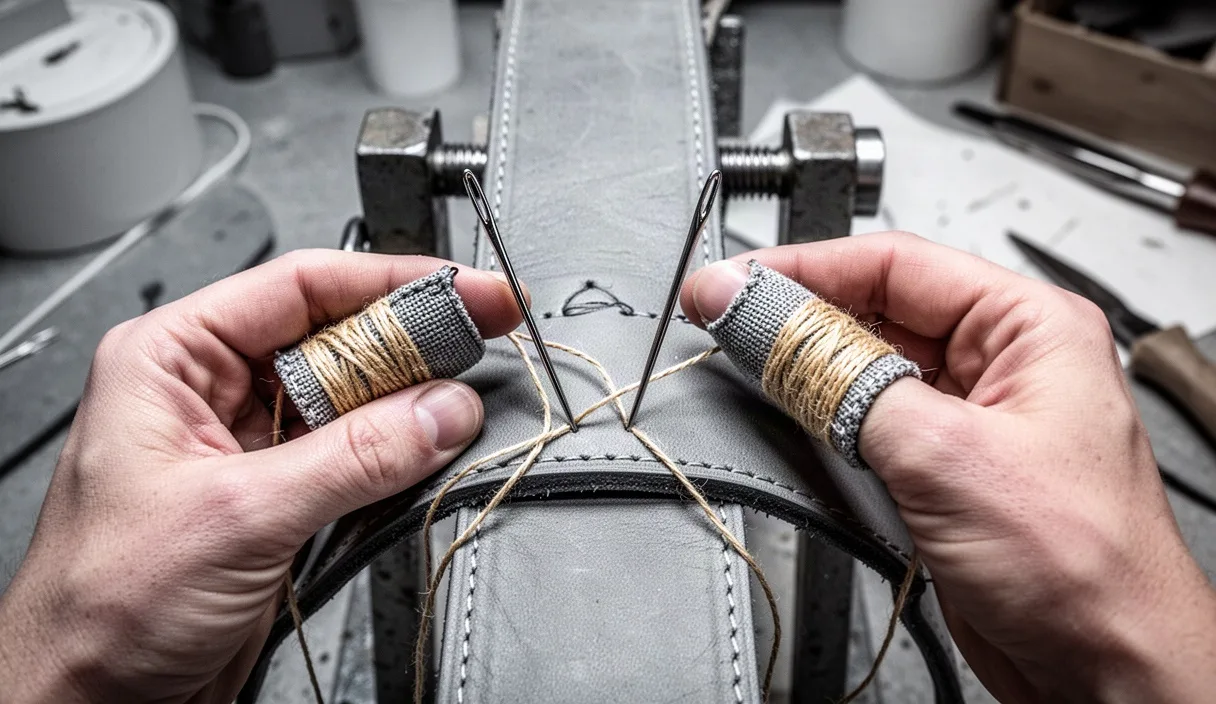
Hand stitching with two needles creates an interlocking seam that outlasts machine lockstitches. Discover how thread tension and consistent needle casting produce straight, durable rows.
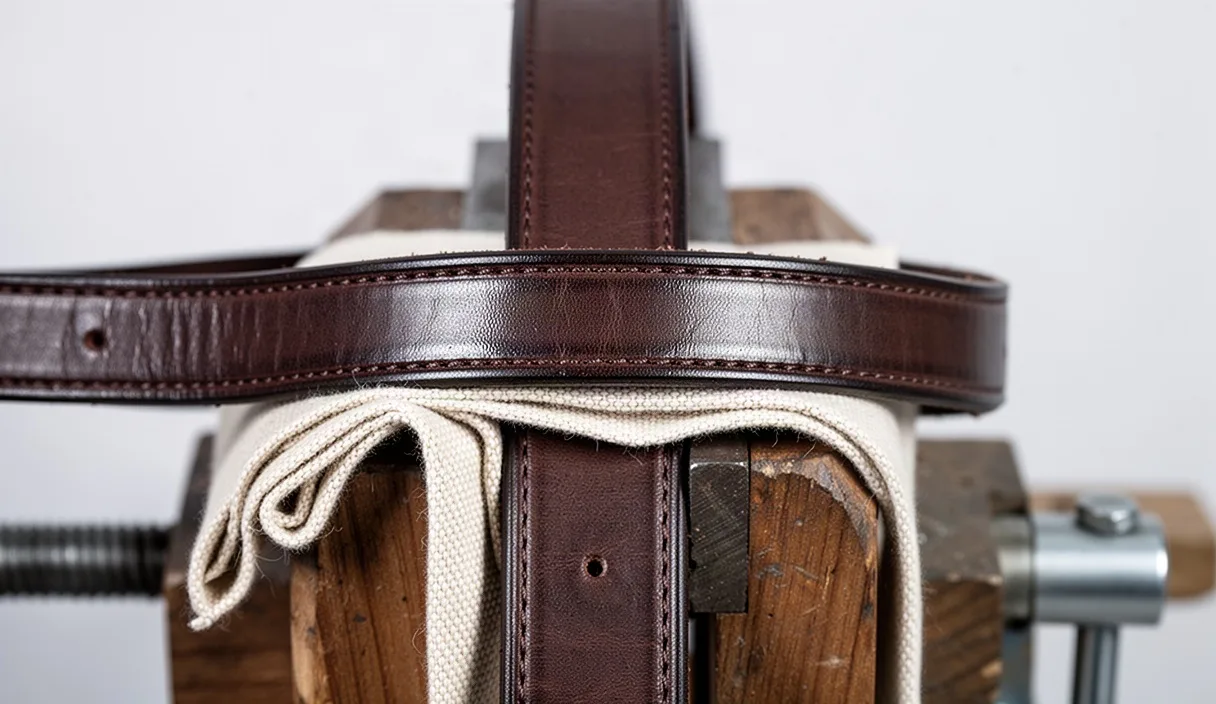
Smooth, rounded leather edges protect projects from dirt and moisture infiltration. Discover how simple friction, moderate moisture, and dense canvas compress raw fiber edges.
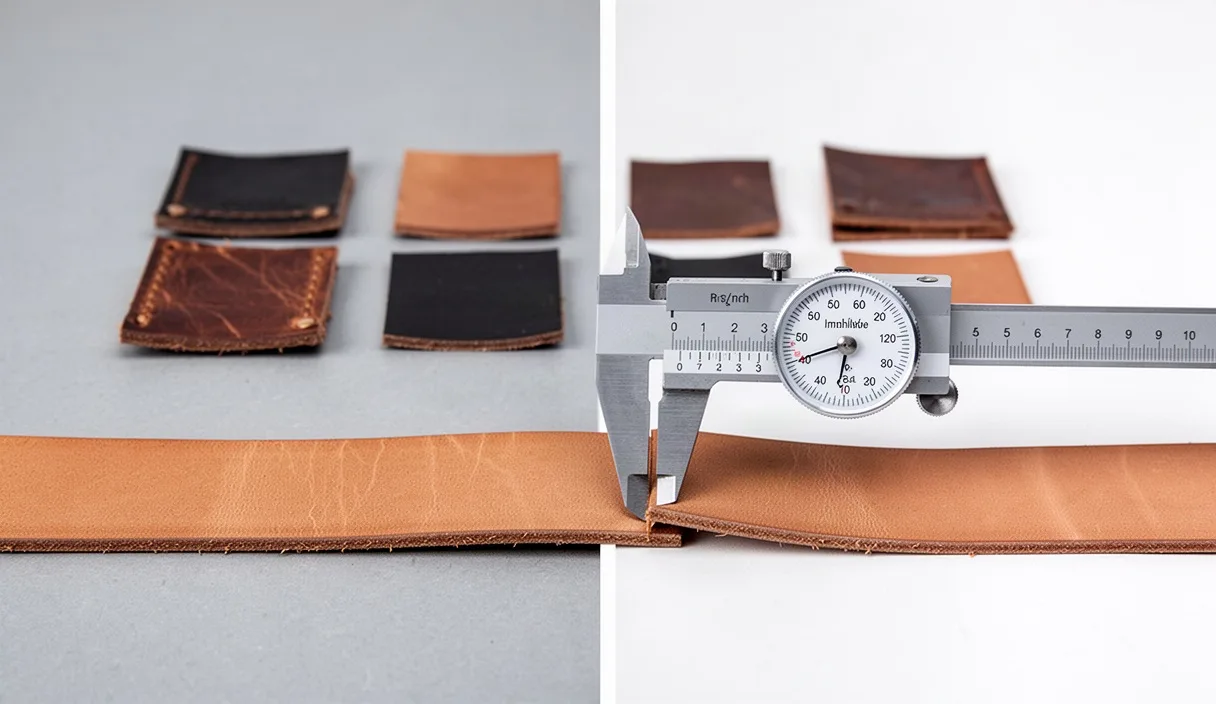
Using the wrong leather weight makes wallets bulky or card sleeves too flimsy to hold shape. Learn how ounce ratings convert to millimeters and where to allocate hide weights.
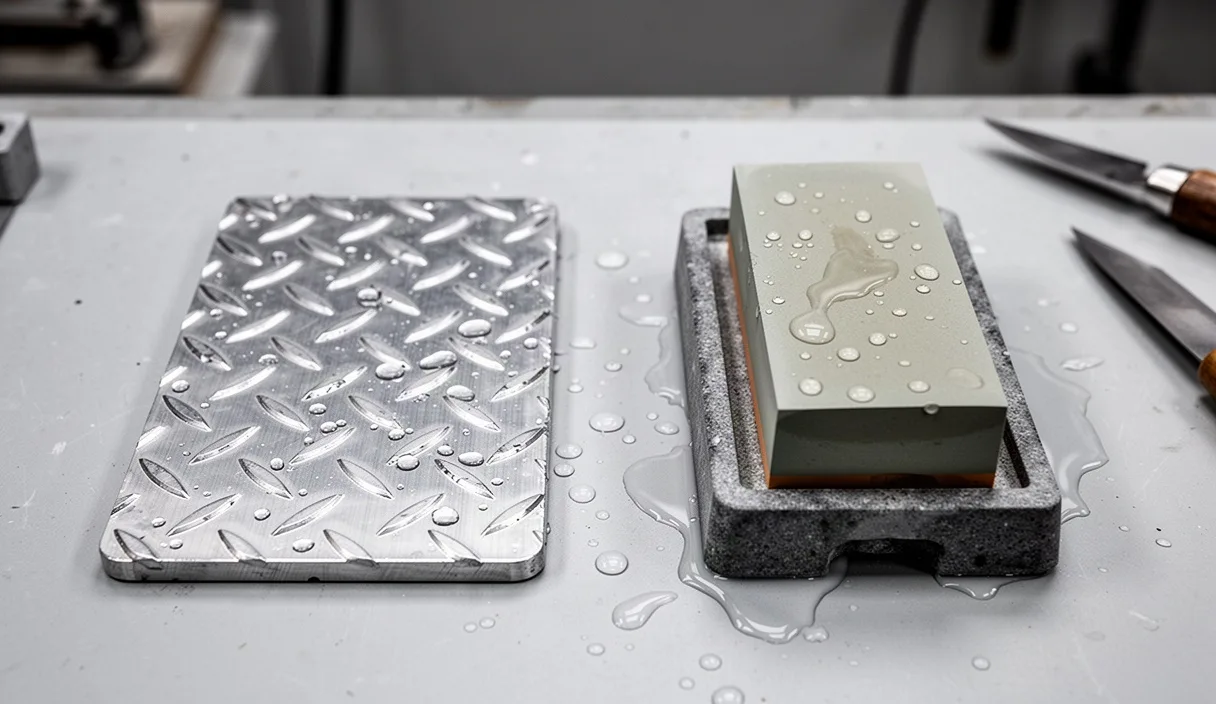
Both abrasives sharpen plane blades and chisels, but they behave differently against tool steel. We compare cutting speed, flattening requirements, and lifetime maintenance demands.
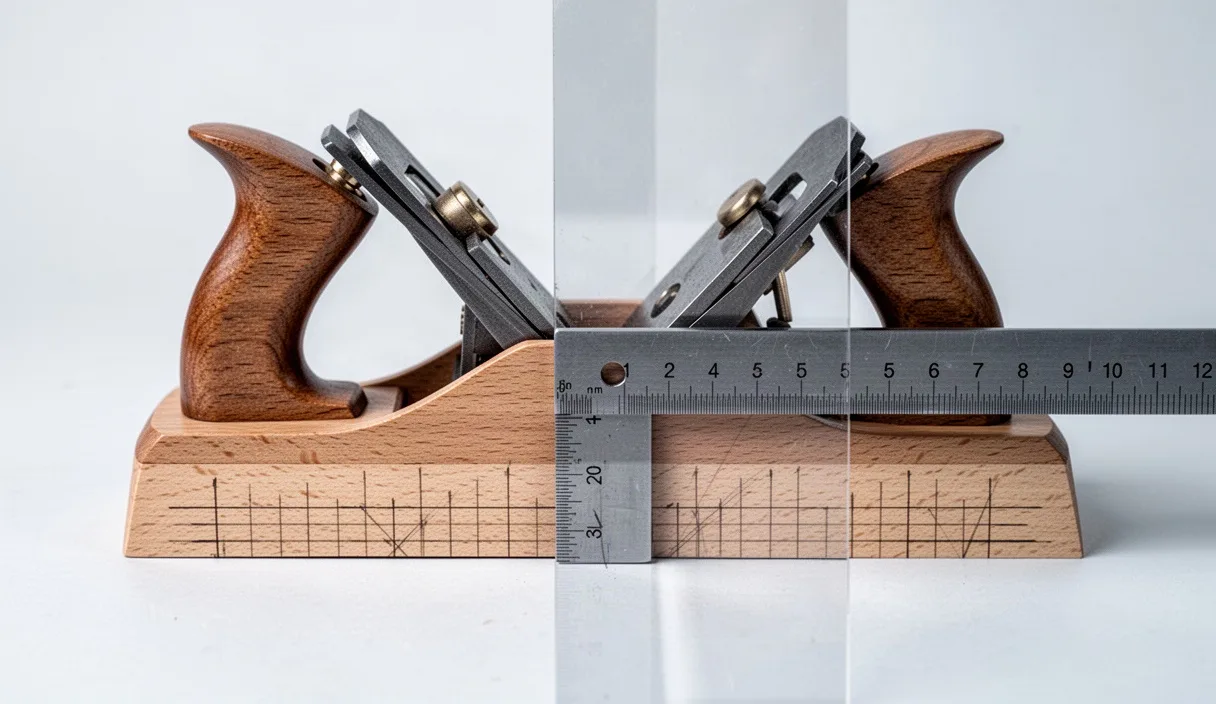
A wood plane moves with seasonal humidity, which can distort its flat reference surface. Learn how to diagnose high spots and lap the wooden sole flat using sandpaper on glass.
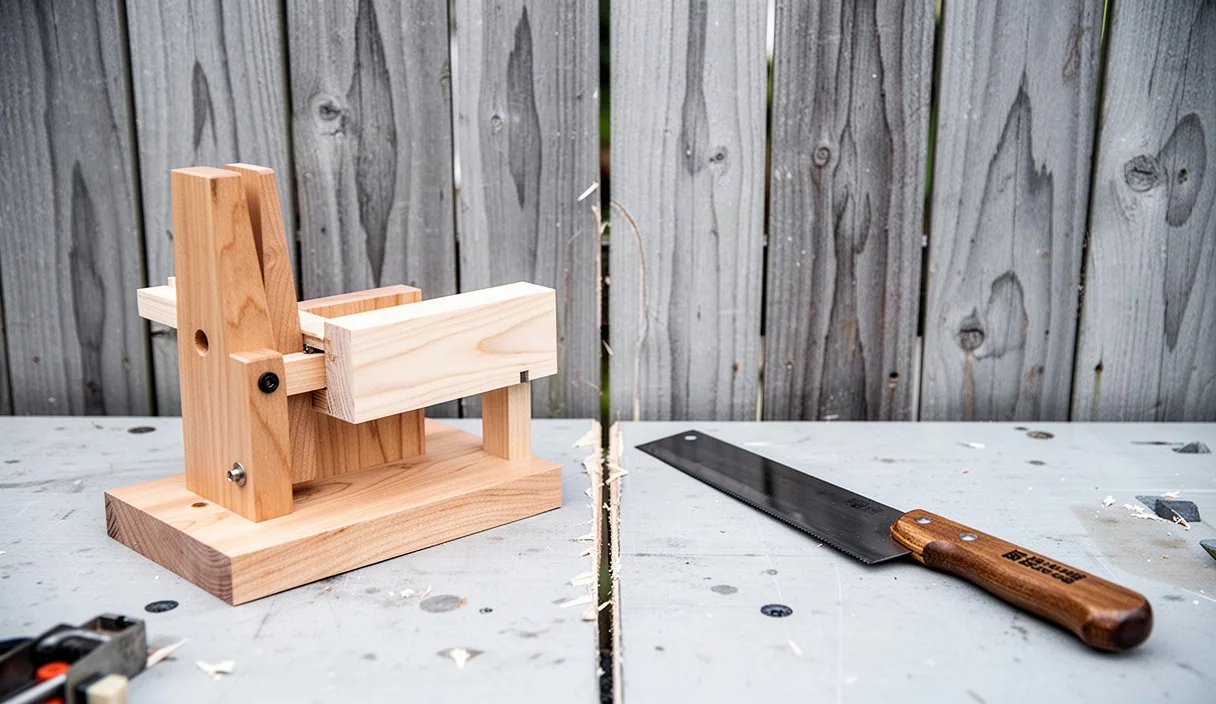
A bench hook holds stock firmly against sawing force without metal clamps. Build this simple workshop appliance from scrap hardwood to improve your crosscut accuracy today.
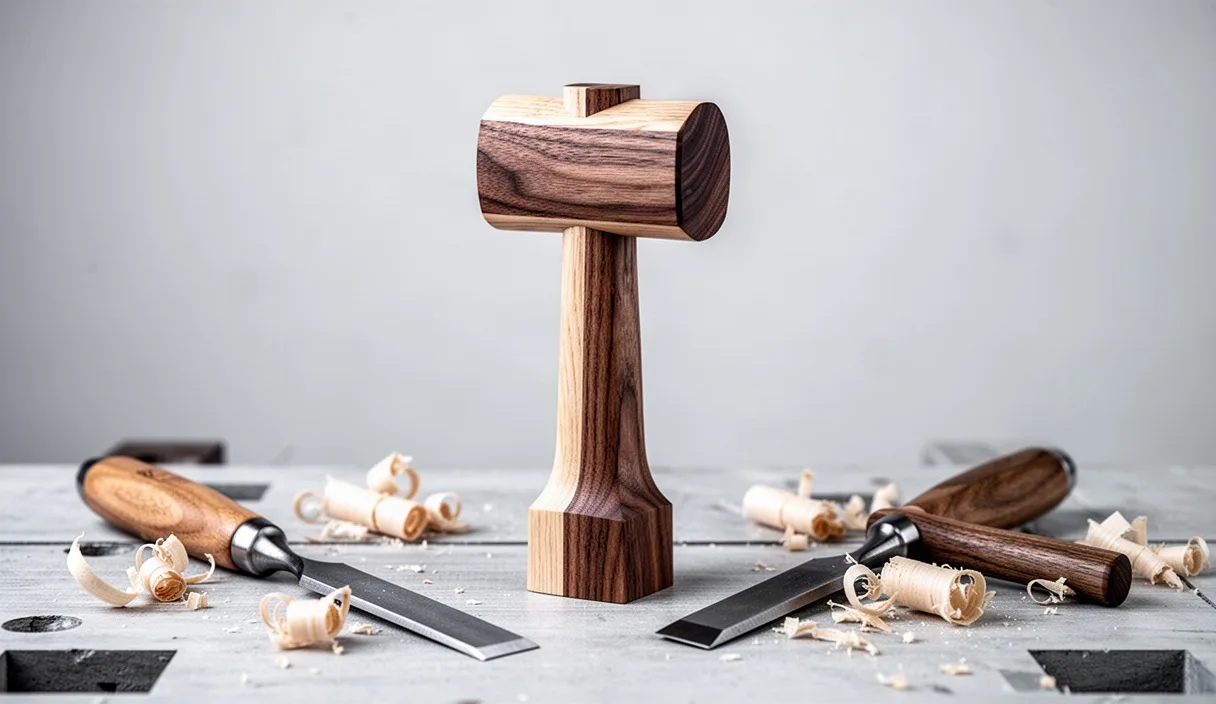
A wooden mallet protects chisel handles from mushrooming and offers softer feedback than steel hammers. Build a classic joiner's mallet using scrap hardwood and basic joinery.